
The Anti-Inflammatory Power of Betalains
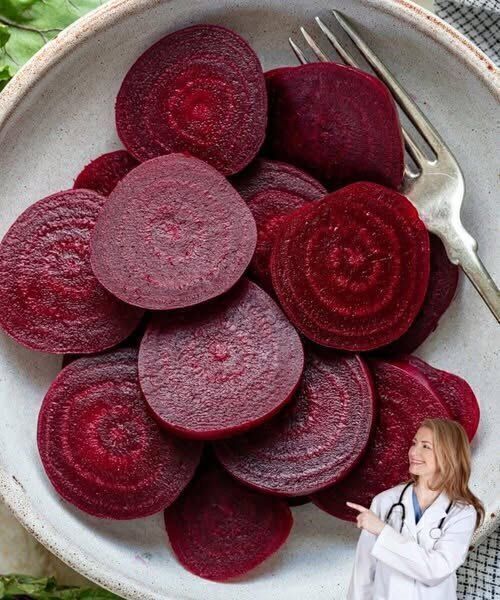
The deep red color of beetroot comes from plant pigments known as betalains.
These pigments are more than just visually striking—they also have antioxidant and anti-inflammatory properties.
Chronic inflammation has been linked to many long-term health issues, including heart disease, metabolic disorders, and joint problems.
Betalains may help calm inflammatory processes within the body by neutralizing harmful molecules known as free radicals.
This antioxidant activity helps protect cells from damage and supports overall cellular health.
In addition to reducing inflammation, betalains may also support detoxification pathways in the liver.
Supporting the Body’s Natural Detox Systems
The liver plays a central role in processing toxins and waste products in the body.
Certain compounds found in beets may support the liver’s natural detoxification processes by helping activate specific enzymes involved in removing waste.
It’s important to clarify that beets do not “detox” the body directly.
The body already has sophisticated systems for filtering and eliminating toxins, primarily through the liver and kidneys.
However, nutrients found in whole foods—like those in beetroot—can support the efficiency of these systems.
By providing antioxidants, fiber, and essential minerals, beets help create an environment where the body’s natural detox processes function effectively.
Essential Vitamins and Minerals in Beets
In addition to nitrates and betalains, beets contain several important micronutrients that support overall health.
Folate
Beets are particularly rich in folate, a B-vitamin that plays a key role in DNA synthesis and cell repair.
Folate is especially important during periods of rapid growth, such as pregnancy, but it also supports normal cell function throughout life.
Potassium
Potassium helps regulate fluid balance, muscle contractions, and nerve signals.
Adequate potassium intake is associated with healthy blood pressure levels.
Manganese
This trace mineral supports bone development, metabolism, and antioxidant defenses.
Iron
Iron helps transport oxygen in the blood through hemoglobin.
Although beets are not the highest source of iron, they still contribute to daily intake when eaten regularly.
Together, these nutrients help maintain energy production, nerve function, and cellular repair.
Do Beets Help with Blood Pressure?
see continuation on next page
ADVERTISEMENT
