
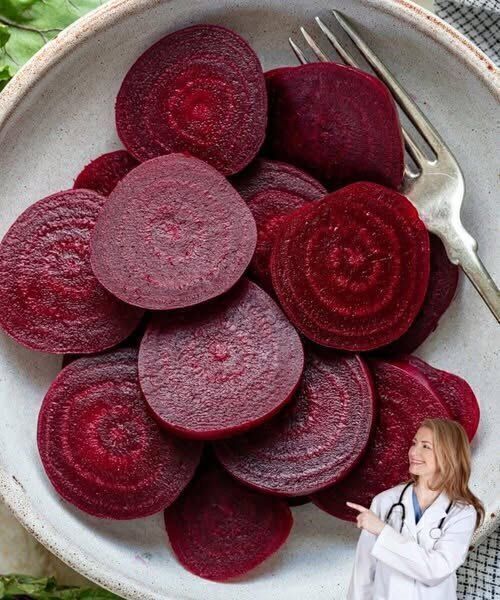
The Humble Root That Earned “Superfood” Status
In recent years, certain foods have been labeled “superfoods,” a term often used in marketing to suggest exceptional health benefits. While many trendy foods gain attention for a short time before fading away, a few truly deserve the recognition because of their unique nutritional properties.
Beetroot—commonly known simply as beets—is one of those foods.
Unlike many foods that become popular due to social media trends or celebrity diets, beets have been valued for centuries across cultures. Ancient civilizations consumed them for both nourishment and medicinal purposes, and modern nutritional science continues to uncover the reasons why this vibrant root vegetable is so beneficial.
Beets are not just visually striking with their deep crimson color; they also contain a powerful combination of natural compounds that support various systems in the body. From improving circulation to feeding beneficial gut bacteria, the nutrients in beets work quietly behind the scenes to support overall health.
What makes beets especially interesting is that their benefits are rooted in chemistry. The compounds found inside the vegetable interact with the human body in ways that can influence blood flow, energy production, inflammation, and even cognitive function.
However, it’s also important to understand what beets can and cannot do. They are supportive foods that contribute to a healthy diet, not miracle cures.
When eaten regularly as part of balanced meals, beets can provide a wide range of advantages that help the body function more efficiently.
The Science Behind Beets’ Powerful Nutrients
The reason beets stand out nutritionally lies in their chemical composition. They contain a variety of vitamins, minerals, and plant compounds that interact with the body in beneficial ways.
Some of the most important nutrients in beetroot include:
-
Natural nitrates
-
Dietary fiber
-
Folate (vitamin B9)
-
Potassium
-
Manganese
-
Iron
-
Vitamin C
-
Betalain pigments
While each of these components plays a role in maintaining health, the natural nitrates and betalain pigments are particularly notable because they influence key biological processes.
Together, these nutrients create a combination that supports cardiovascular health, digestive function, brain performance, and cellular repair.
The power of beets does not come from a single ingredient but from the way these nutrients work together inside the body.
How Natural Nitrates Improve Blood Flow
One of the most widely studied aspects of beetroot is its high concentration of dietary nitrates.
When you consume foods rich in nitrates—such as beets, spinach, and arugula—your body converts these compounds into nitric oxide, a molecule that plays a crucial role in cardiovascular health.
Nitric oxide acts as a vasodilator, meaning it relaxes and widens blood vessels.
When blood vessels widen, several positive effects occur:
-
Blood flows more easily through the circulatory system
-
The heart doesn’t have to work as hard to pump blood
-
Oxygen and nutrients reach tissues more efficiently
-
Blood pressure may decrease slightly
These effects explain why beetroot has become popular among athletes and individuals interested in supporting heart health.
Improved circulation can enhance endurance, reduce fatigue, and promote better oxygen delivery throughout the body.
Why Athletes Often Drink Beet Juice
see continuation on next page
ADVERTISEMENT
