
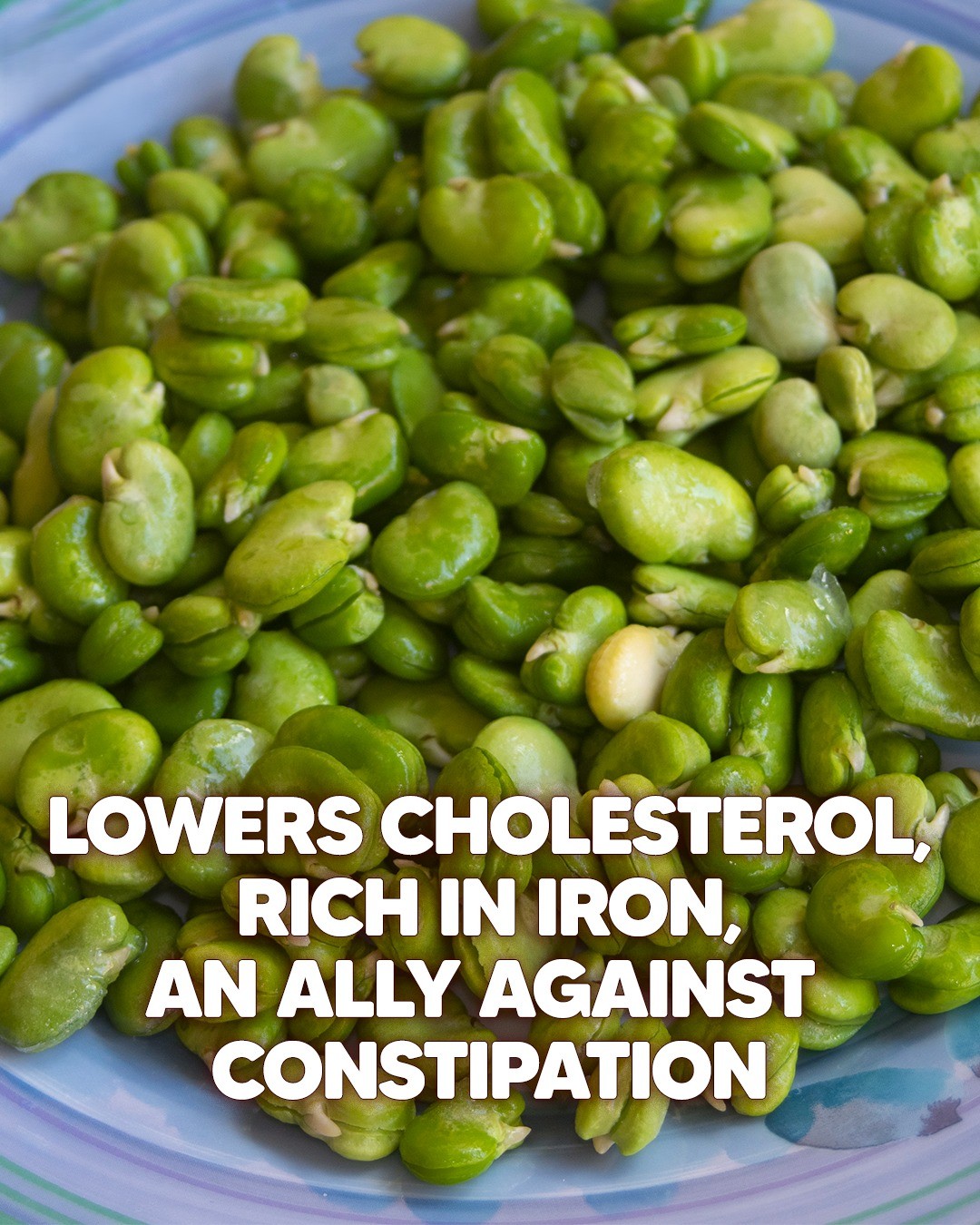
The undisputed stars of the spring season, fava beans are a true elixir of goodness and health. Rich in fiber, protein, and minerals, they’re good for the heart, mind, and body. Let’s explore the properties, benefits, and potential side effects of this prodigious legume.
The undisputed queens of spring, fava beans (or broad beans) are among the most versatile legumes: packed with precious benefits for your body and the protagonists of countless recipes. Early harvested, therefore fresh and tender, they are perfect for brightening up lunches and picnics: they reveal their sweetest side when paired with cured meats and especially with fresh pecorino cheese. Once cooked, however, they give life to simple and delicious recipes, mostly belonging to rural tradition, or to contemporary and creative reinterpretations. The fresh ones in particular are rich in precious nutrients: here are which ones in detail.
Where Do Fava Beans Come From?
Native to Asia Minor, the fava bean plant —belonging to the Fabaceae family —has an erect, herbaceous stem, sparsely branched, and up to 1 meter tall. The fruit is a large, flattened legume, up to 30 centimeters long, containing these tasty, kidney-shaped seeds, varying in size and color depending on the variety.
Harvest takes place from April to June. In the U.S., the most commonly available varieties of fava beans include “Broad Windsor”, known for its large, thick pods and hearty texture, and “Aquadulce”, a popular variety in many gardens due to its adaptability and high yield. Another variety, “Windsor”, is also widely cultivated, with large seeds and a slightly sweeter taste. “Fava Bean De Nizza”, commonly grown in California, is appreciated for its tender texture and rich flavor.
Celery’s Properties, Benefits and Contraindications
Among the oldest legumes in Europe, second only to lentils, broad beans were widely consumed by both the Greeks and Romans. Interestingly, Aristotle recommended their use, while Pythagoras, the first important vegetarian in Western culture, forbade them to his disciples. This was because the dark spots on broad bean flowers were considered symbols of the presence of the souls of the dead and, therefore, signs of hell.
Fava Beans’ Properties and Benefits
Not only tasty but also a true elixir of well-being. These precious legumes contain an excellent quantity of vegetable fiber and protein (qualitatively superior to beans). Low in fat and rich in water, they are also perfect for those watching their weight or following a low-calorie diet (100 grams of fresh broad beans provide approximately 72 calories). But it doesn’t end there: broad beans are also an excellent source of mineral salts, especially iron, potassium, magnesium, copper, and selenium, and vitamins (particularly vitamin A, K, and folate). Thanks to their precious nutrients, broad beans provide a series of important benefits. Here are some of them:
1. They Fight Anemia
see continuation on next page
ADVERTISEMENT
