
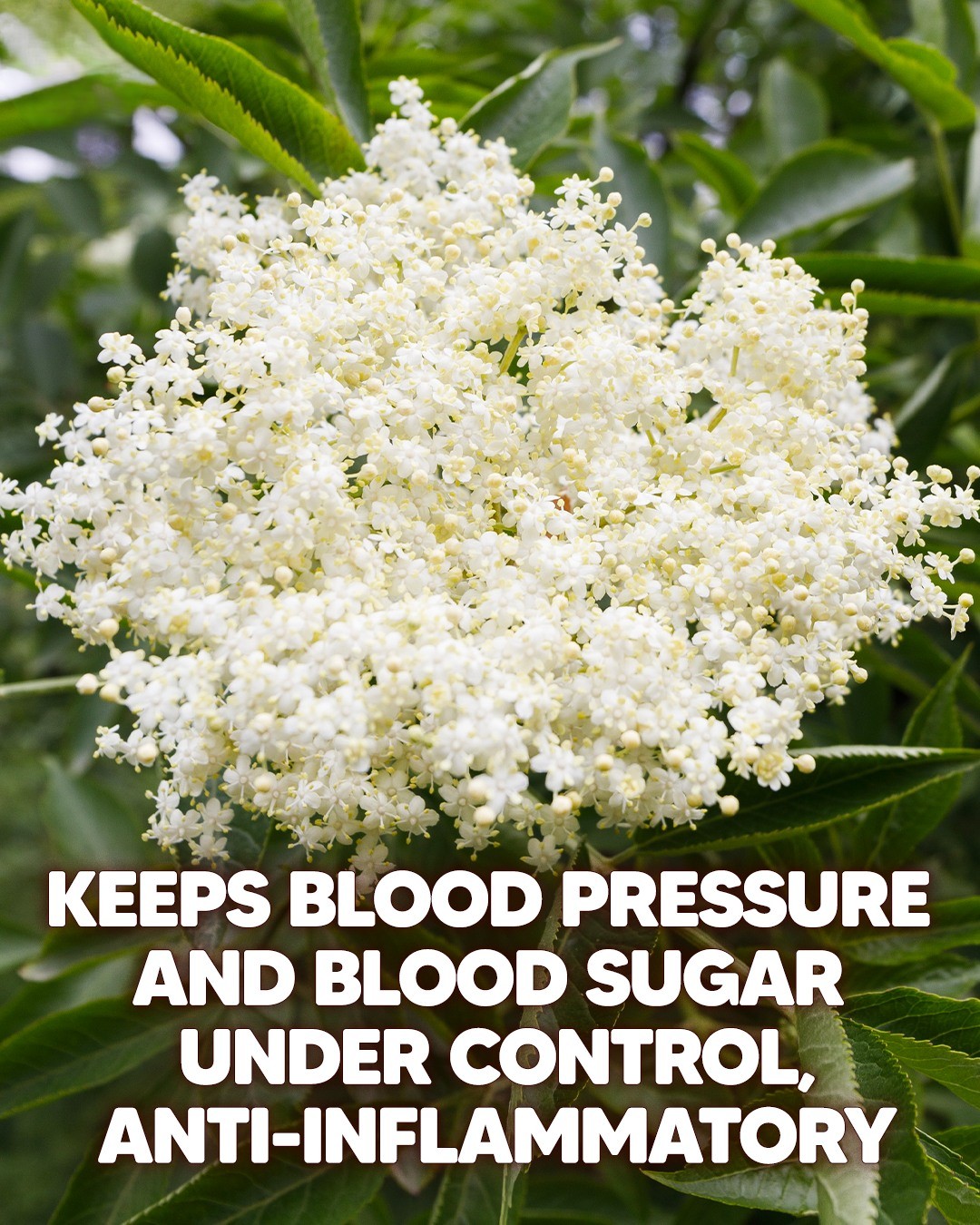
Known as the “pharmacy of the Gods,” elderberry dates back to ancient times and, in some folk traditions, was even considered magical. Rich in benefits, it’s ideal for enhancing your recipes and for combating certain symptoms, such as the flu and colds.
Some people think of the famous Harry Potter wand, others of the famous liqueur of the same name: in reality, elderberry is a shrub or small tree belonging to the Caprifoliaceae family. Widespread throughout much of the U.S., elderberry is linked to stories and legends, both Christian and pagan, and is considered a valuable ally for both health and cooking.
Characteristics and Origins of Elderberry
The origins of elderberry appear to be very ancient and linked to particular medical properties: in some ancient texts, Theophrastus describes its healing properties, while Hippocrates and Pliny the Elder mention it in some testimonies that see it as an ingredient in a particular drink called aktè, useful for inducing sleep. But, in reality, it seems to have even more ancient origins: traces of this particular plant seem to exist as early as the Neolithic, demonstrating that it was probably already used for medical purposes at that time. Even during the Middle Ages, elderberry found its way into the cloisters of monasteries, where monks used to prepare herbal teas, decoctions and syrups with it. As for the origin of the term, however, there is no certain evidence, but it seems that the word elderberry derives from the Greek sambyke, an instrument similar to a flute, made using the branches of this plant.
From a botanical point of view, elderberry appears as a small shrub that can reach 10 meters in height, with leaves about 20 centimeters long that bear small, beautiful white flowers. It grows wild in Europe and Western Asia and blooms between April and June: in our country, it can be found in areas with a temperate climate and in sunny, uncultivated places, but also near waterways and humid areas.
Ginger’s Benefits And Side Effects to Consider
A Powerful Ally for Health: Properties and Benefits
It’s no coincidence that the Germanic peoples called elderberry the “pharmacy of the Gods”: in fact, the flowers and berries have incredible health benefits. Particularly recommended for flu and colds, they have draining and anti-inflammatory properties, helping to relieve symptoms such as coughs, colds, fever, sore throats, and sinusitis. The flowers can be used to prepare delicious herbal teas that help fight colds but also combat asthma and allergic rhinitis. Thanks to their anti-inflammatory properties, compresses made with an infusion of elderflowers are ideal for reducing swelling and irritation in the eyes.
Furthermore, elderberry is rich in protein, fiber, unsaturated fatty acids, vitamins, minerals, and, above all, polyphenols: this mix of components makes it an incredible ally in fighting oxidative stress, thus slowing cellular aging. According to some studies, in fact, the active ingredients in elderberry help keep blood pressure and blood sugar levels under control, as well as having a potential protective role in cancer prevention.
Contraindications
see continuation on next page
ADVERTISEMENT
