
1. They Fight Anemia
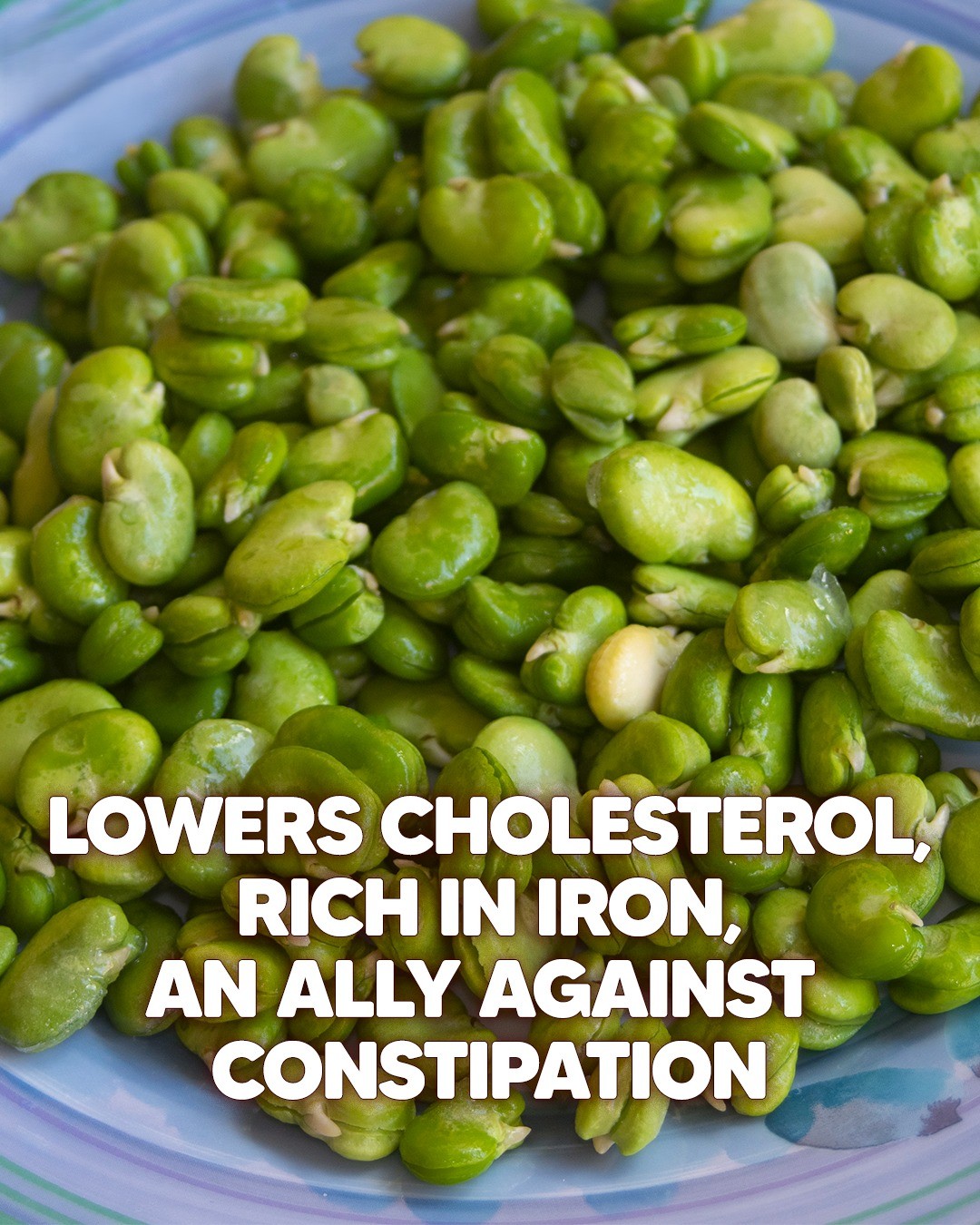
Broad beans contain a good quantity of iron (about 1.55 mg per 100 grams), an essential mineral for promoting the proper functioning of the body and the immune system.
2. They Eliminate Waste and Toxins
The high content of vegetable fiber and water helps intestinal motility and supports kidney function. For these reasons, they prove to be the right ally in cases of constipation or water retention.
3. They Lower Cholesterol
The credit always goes to the plant fibers, which broad beans are rich in. These precious nutrients, in fact, support cardiovascular health and stabilize blood cholesterol levels. They are said to be particularly effective in reducing LDL cholesterol, preventing the onset of diseases such as heart attacks and strokes.
4. They Prevent Diabetes
The presence of magnesium and, surprisingly, fiber helps stabilize blood sugar levels. Consuming fava beans is therefore recommended for those with diabetes or hyperglycemia.
5. They Protect Bones
Calcium and manganese, the latter essential for supporting the functionality of the nervous, endocrine and immune systems, protect our skeletal system and prevent arthritis and osteoporosis.
6. They Help The Brain
Broad beans, especially the immature ones, contain Levodopa, a precursor of some substances present in the brain and essential for the well-being of the neurological system (this same substance is present as an active ingredient in the main drugs used to treat Parkinson’s disease).
7. Excellent Source of Protein
100 grams of fresh fava beans contain about 5.2 grams of protein. Of this, about 30% is rich in lysine, an essential amino acid important for the functioning of the human body.
8. Protect Your Weight
Rich in water and low in fat and carbohydrates, fava beans are ideal for those following a healthy diet or trying to lose weight. Paired with a serving of rice or another grain, preferably whole grain, they create a complete and nutritionally balanced one-pot meal.
Fava Beans’ Contraindications
Those suffering from favism, a hereditary disease that inhibits the production of an enzyme called glucose-6-phosphate dehydrogenase, essential for neutralizing the negative effects of certain substances found in these legumes, must absolutely avoid eating them. The reduction or malfunction of this enzyme carries the risk, under certain conditions, of acute non-immune anemia, which involves the sudden destruction of red blood cells. Those suffering from favism, known as “fabic,” must abstain from eating other foods, such as peas and verbena, and certain medications, in addition to fava beans.
Fava beans contain oxalates, which can contribute to the formation of kidney stones, especially in predisposed individuals. Those with a history of kidney stones should limit their consumption or consult a doctor. They are also high in complex carbohydrates and fiber, which can cause bloating, gas, and flatulence in some people. Introducing them gradually into your diet and drinking plenty of water can help reduce these effects.
ADVERTISEMENT
