
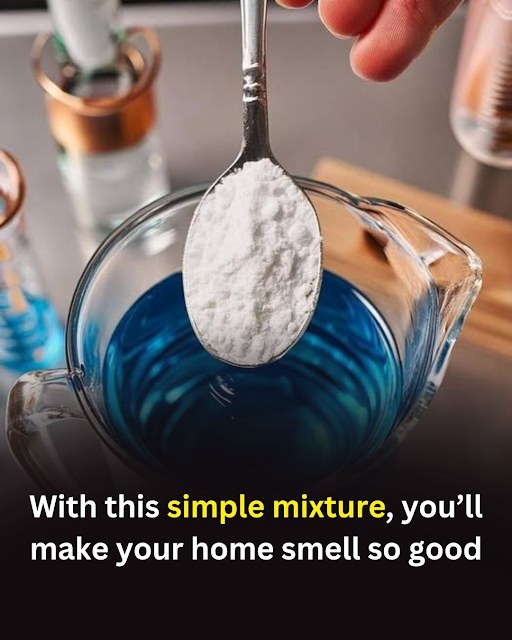
Many simple household ingredients can help create a pleasant aroma naturally.
Citrus fruits
Lemon, orange, and lime peels release fresh, clean scents when heated or soaked.
Herbs
Rosemary, mint, basil, and lavender add herbal freshness.
Spices
Cinnamon sticks and cloves create warm, cozy aromas.
Vinegar (odor neutralizer)
While it has a strong smell initially, vinegar helps eliminate other odors as it evaporates.
Baking soda (odor absorber)
It does not add fragrance but helps remove unwanted smells from surfaces and fabrics.
These ingredients form the base of most natural home fragrance methods.
Simple natural simmer pot recipe (safe and effective)
One of the most popular DIY methods is a stovetop simmer pot. It gently releases fragrance throughout the home.
Basic recipe:
- Water
- Lemon slices
- Orange peels
- Cinnamon sticks
- A few cloves
How it works:
You place the ingredients in a pot of water and gently heat it on the stove. As the water warms, steam carries the natural scents into the air.
Why it’s effective:
- Uses real natural oils from ingredients
- Provides consistent scent over time
- Can be customized easily
- Avoids synthetic chemicals
This is one of the safest and most flexible ways to naturally scent a home.
Essential oil diffusion (modern alternative)
Essential oils are concentrated plant extracts used for aromatherapy and home fragrance.
Common oils include:
- Lavender (calming)
- Eucalyptus (fresh and clean)
- Lemon (bright and uplifting)
- Peppermint (cool and energizing)
They can be used in:
- Diffusers
- Spray bottles (diluted with water)
- Cotton pads placed in rooms
However, they should always be used in moderation, especially in homes with pets or small children.
DIY room spray (simple homemade formula)
A natural room spray is easy to make and allows control over scent strength.
Basic formula:
- Water
- A small amount of rubbing alcohol or witch hazel
- 10–20 drops of essential oil
Why alcohol is used:
It helps disperse oils evenly and prevents separation.
Usage:
Lightly spray into the air or onto fabric surfaces (always test first).
This creates a quick-refresh option for bathrooms, living rooms, or bedrooms.
Baking soda odor traps
Baking soda is one of the simplest odor-neutralizing tools available.
It works by:
- Absorbing moisture
- Capturing odor molecules
- Reducing stale air smell
How to use it:
- Place open bowls in rooms
- Sprinkle on carpets before vacuuming
- Put in the fridge or closets
It doesn’t add fragrance, but it helps remove the “base layer” of bad smells, making other scents more noticeable.
Clean fabrics = better smelling home
see continuation on next page
ADVERTISEMENT
