
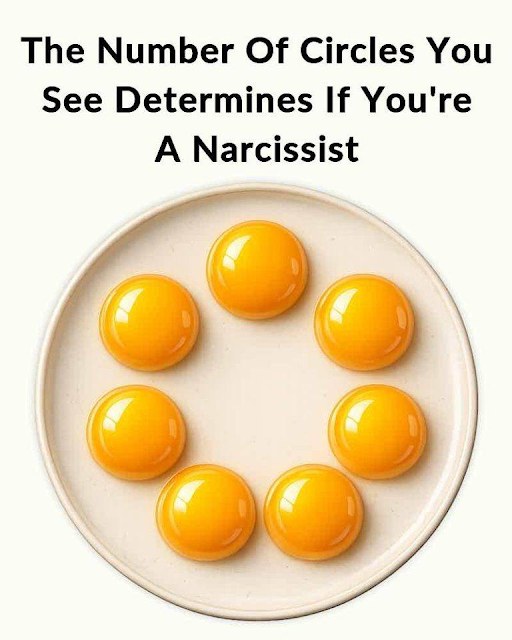
visual focus
attention to detail
familiarity with patterns
and even viewing distance or screen quality
Two people can see the same image differently without either interpretation being “correct” or “incorrect.”
What Narcissism Actually Means
The term “narcissist” is often misused in online content.
In psychology, narcissism refers to a spectrum of personality traits involving:
self-focus
need for admiration
and difficulty with empathy in extreme cases
At its clinical level, it is associated with Narcissistic Personality Disorder (NPD), which is diagnosed through comprehensive psychological evaluation—not visual tests.
Key point:
👉 Narcissism cannot be diagnosed through optical illusions, personality memes, or social media quizzes.
Professional assessment involves:
structured interviews
long-term behavioral patterns
and clinical criteria defined in psychological manuals
Why People Are Drawn to “Quick Personality Labels”
Despite lacking scientific basis, personality quizzes remain extremely popular.
There are psychological reasons for this:
1. The desire for self-understanding
People are naturally curious about their personality and identity.
2. Instant feedback
Online tests provide immediate results, which feel satisfying.
3. Social comparison
Users enjoy comparing answers with friends or online communities.
4. The illusion of scientific authority
Bold claims make simple images feel more meaningful than they are.
This combination makes viral personality content highly shareable.
The Problem With Oversimplified Personality Tests
While fun, these tests can create misunderstandings.
Some risks include:
labeling normal behavior as a psychological condition
reinforcing stereotypes
encouraging self-diagnosis
and spreading misinformation about mental health
For example, seeing fewer or more circles in an image does not indicate narcissism, emotional intelligence, or empathy levels.
It simply reflects how the brain processes visual input.
How the Brain Interprets Visual Information
Human perception is not like a camera—it is interpretive.
The brain constantly:
predicts what it expects to see
fills in missing details
and prioritizes certain visual cues over others
This is why optical illusions work in the first place.
Two key factors influence what you see:
top-down processing (expectations and experience)
bottom-up processing (raw sensory input)
Neither of these is linked to personality disorders.
Why “Circle Tests” Are Scientifically Weak
Most viral personality illusions fail basic psychological standards.
A valid psychological assessment must:
be tested for reliability
show consistent results over time
correlate with real behavioral outcomes
and be peer-reviewed
Viral “circle tests” do none of these.
Instead, they are:
created for engagement
designed for sharing
and often intentionally ambiguous
This ambiguity is what makes them interesting—but also unreliable.
The Difference Between Fun Quizzes and Real Psychology
There is nothing wrong with enjoying personality quizzes.
However, it is important to distinguish between:
see continuation on next page
ADVERTISEMENT
