
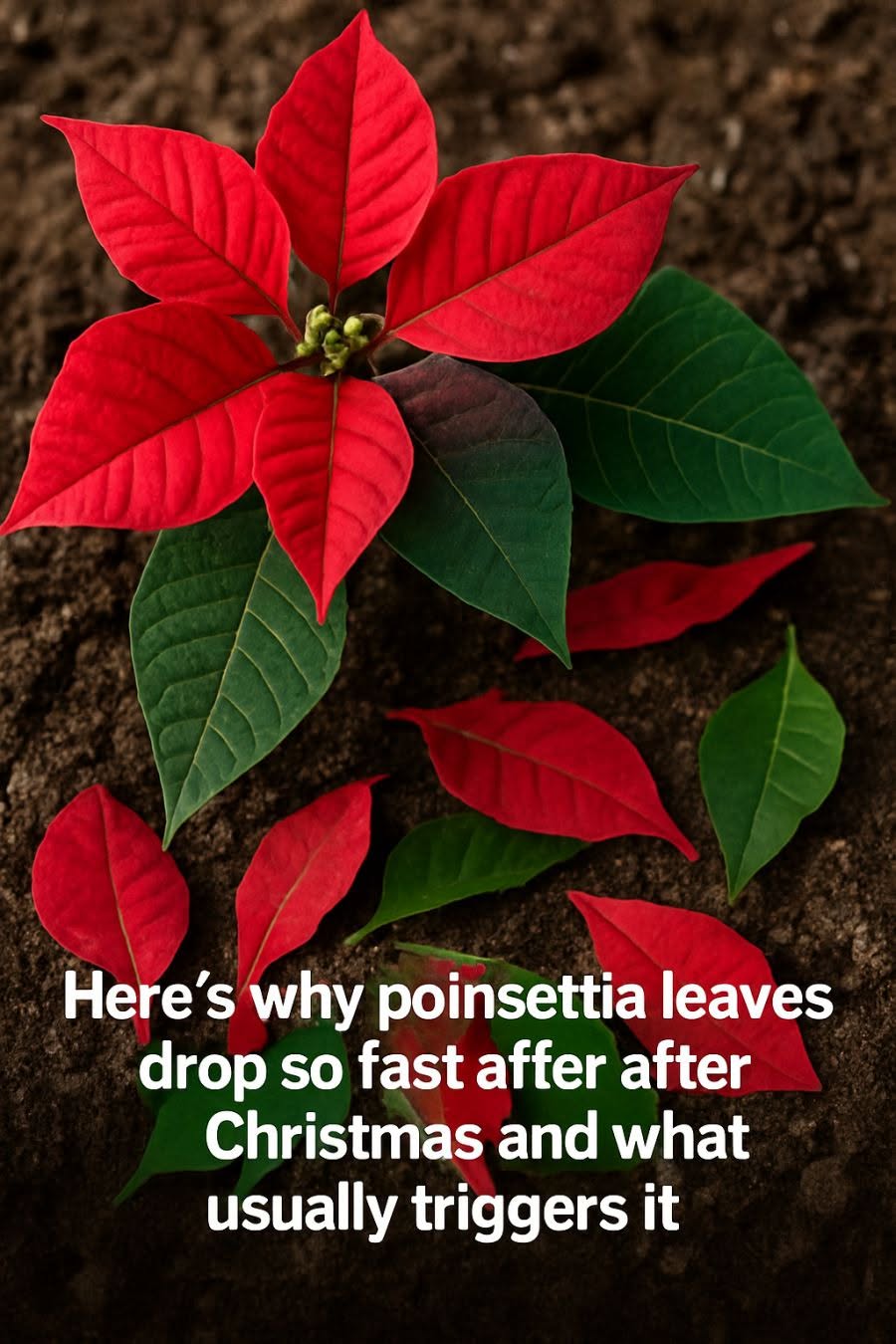
As the holiday season rolls around, poinsettias become a quintessential decoration in many homes, adding a vibrant splash of red and green to the festivities. These beautiful plants, often associated with Christmas, are cherished for their bright bracts and lush foliage. However, come January, many poinsettia owners find themselves puzzled as their once-vibrant plants begin to shed leaves at an alarming rate.
Understanding why poinsettia leaves drop so quickly after Christmas involves delving into the plant’s origin, its acclimatization process, and the typical care pitfalls that occur during the holiday season. By exploring these factors, plant enthusiasts can learn how to extend the life of their poinsettias, ensuring that they remain a source of joy and beauty well beyond the festive period.
Why Your Poinsettia Seems Perfect Until January
Poinsettias are native to the warm climates of Mexico and Central America, where they thrive in the warm, slightly humid environments. When purchased during the holiday season, poinsettias have typically been cultivated in greenhouses under ideal conditions, with controlled temperatures between 60°F and 70°F. This environment allows them to maintain their vibrant colors and lush foliage.
Once they are brought into the home, the change in environment can be stark. Initially, the plants may seem perfectly healthy, as they are still acclimating to their new surroundings. However, the stresses of a new environment, combined with common care mistakes, can soon lead to leaf drop as the plant struggles to adjust.
The Shock Of Moving From Greenhouse To Living Room
In greenhouses, poinsettias enjoy consistent temperatures and humidity levels, often around 60-70% humidity. These conditions are vastly different from those in a typical home, especially during the winter months when heating systems are in use. The transition from a humid greenhouse to a dry, heated living room can be quite a shock for poinsettias.
This sudden change in environment can cause stress to the plant, leading to leaf drop. Poinsettias are sensitive to changes, and the adjustment period from greenhouse to home can take a toll on their overall health, often manifesting in the form of shedding leaves.
How Dry Indoor Air Makes Leaves Drop Overnight
During winter, indoor air tends to be much drier due to the continuous use of heating systems. Poinsettias, which are accustomed to more humid conditions, can suffer from the dry air in homes. This lack of humidity can cause the leaves to lose moisture rapidly, leading them to wilt and eventually drop.
To combat this, it is recommended to maintain a humidity level of around 50-60% near the plant. Using a humidifier or placing a tray of water near the poinsettia can help increase the surrounding humidity, reducing the likelihood of leaf drop.
The Role Of Cold Drafts From Doors, Windows, And Car Rides
Cold drafts from frequently opened doors and windows can also contribute to leaf drop in poinsettias. These plants are sensitive to temperature fluctuations and do not fare well in cold conditions. Even brief exposure to temperatures below 50°F can cause stress and lead to leaf shedding.
Transporting poinsettias from the store to home in cold weather can also shock the plant. It is crucial to protect poinsettias from cold drafts and ensure they are placed in a stable temperature environment to prevent stress-induced leaf drop.
Why Sudden Temperature Swings Stress Poinsettias
Poinsettias prefer stable temperatures and can be stressed by sudden temperature swings. In homes, temperatures can fluctuate due to heating cycles or proximity to heat sources like radiators and fireplaces. These swings can cause the plant to drop its leaves as a stress response.
To minimize temperature fluctuations, it is best to place poinsettias away from direct heat sources and ensure they are not exposed to sudden drafts. Maintaining a consistent temperature around 65°F to 70°F will help keep the plant healthy and reduce leaf drop.
Overwatering: The Most Common Post‑Christmas Killer
Overwatering is a frequent mistake made by poinsettia owners, often leading to root rot and leaf drop. Poinsettias prefer their soil to dry out slightly between waterings. Overwatering can lead to waterlogged soil, depriving the roots of oxygen and causing them to rot.
To avoid overwatering, check the top inch of the soil before watering. If it feels dry, it’s time to water. Ensure that the pot has proper drainage to prevent water from accumulating at the bottom.
Underwatering And The ‘Forgotten Corner’ Problem
see continuation on next page
ADVERTISEMENT
