
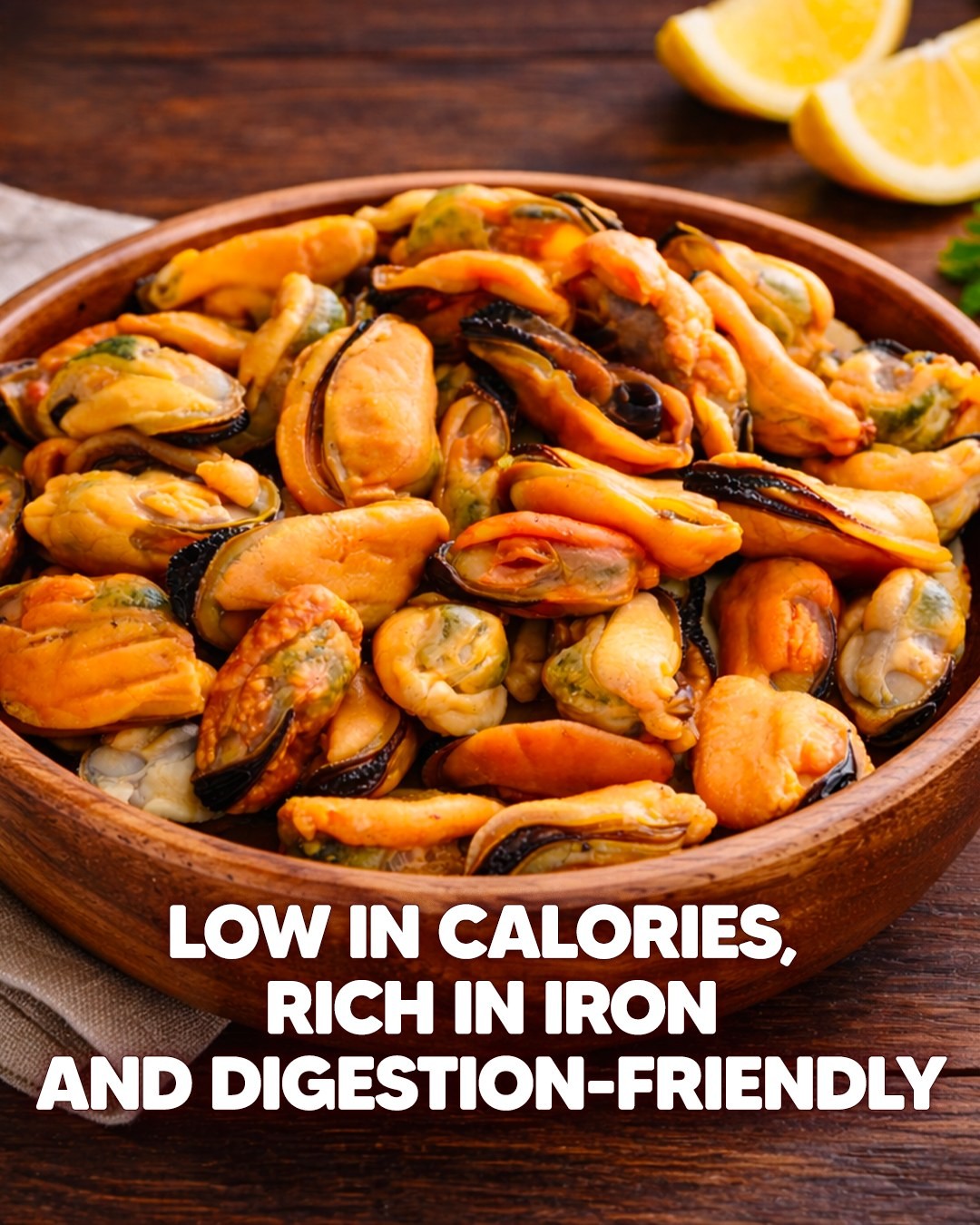
Inexpensive and incredibly flavorful, mussels are undoubtedly among the most beloved and consumed seafood on our tables: they are low in calories and rich in protein, antioxidants, and anti-inflammatories. Here are their benefits and drawbacks.
Bivalve molluscs belonging to the Mytiloida family, mussels are among the most loved and consumed seafood in the world, recognizable by their characteristic teardrop shape and jet-black color. Low in calories and rich in protein and minerals, mussels are a very versatile ingredient in the kitchen, starring in many traditional dishes, not only because they are relatively inexpensive but also particularly flavorful. Widely distributed throughout the Mediterranean Sea and the Atlantic Ocean, although most of the ones we consume are farmed, mussels, once properly cleaned, must be consumed cooked to avoid food poisoning. Let’s find out everything there is to know about these famous mussels.
Mussels’ Properties and Benefits
Low in calories (just 58 kcal per 100 grams) and rich in minerals, especially sodium, zinc, magnesium, phosphorus, potassium, and iron, mussels are mollusks with an interesting nutritional profile. They provide a good supply of high-biological-value proteins and vitamins (especially vitamin C and vitamin B12), and are rich in antioxidants that help fight free radicals and cellular aging, while being almost entirely free of fats and lipids.
Vitamins, proteins, and minerals make these mollusks particularly rich in beneficial properties and a valuable ally for our health. Specifically, mussels:
Celery’s Properties, Benefits and Contraindications
they are recommended for those who suffer from anemia because they are particularly rich in iron;
mussels are rich in antioxidants that can counteract cellular aging and the action of free radicals;
they guarantee a good supply of vitamin B and are therefore recommended in case of tiredness;
thanks to the presence of a substance called glucosamine, mussels are very powerful natural anti-inflammatories, particularly excellent against rheumatism, arthritis and arthrosis;
Mussels have stimulating and digestive properties due to their mineral salts; furthermore, the potassium they contain can regulate blood pressure, while phosphorus helps improve memory;
they support and stimulate the immune system because they are rich in vitamin C;
they help regulate metabolism and limit the absorption of fats;
they stimulate liver function, protecting the liver.
Mussels’ Contraindications
see continuation on next page
ADVERTISEMENT
