
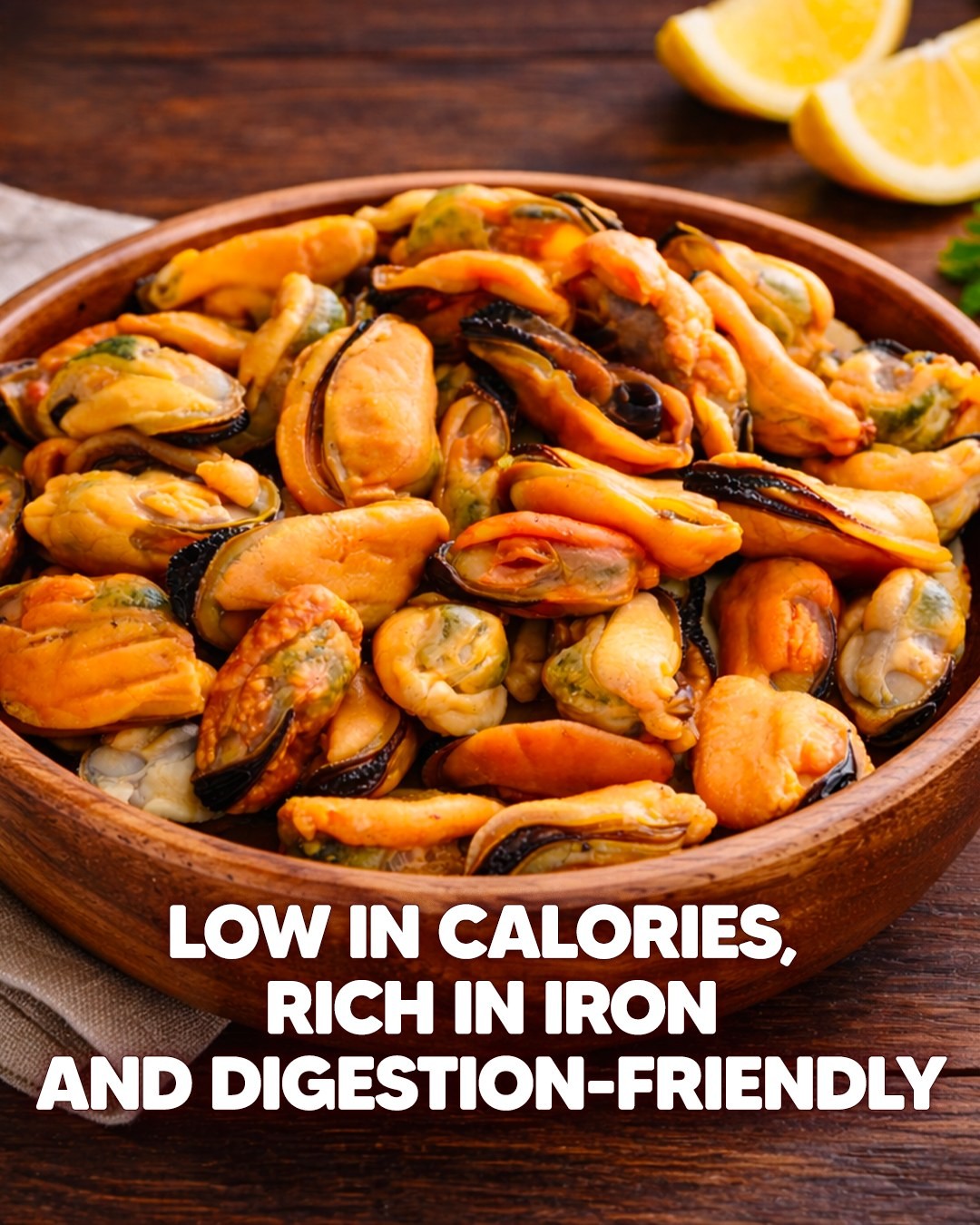
Mussels’ Contraindications
Although mussels are a highly prized food for their flavor and nutritional properties, they do have some contraindications that are important to know.
Mussels, like other bivalve mollusks, filter water and can accumulate bacteria and toxins present in the marine environment. Consuming contaminated mussels can cause food poisoning with symptoms such as nausea, vomiting, diarrhea, and fever. For this reason, it’s essential to purchase very fresh mussels from areas with rigorous health controls. They are one of the most common food allergens: an allergic reaction to mussels can manifest itself with mild symptoms such as hives or itching, but in some cases it can trigger more serious reactions such as anaphylactic shock.
Mussels contain some cholesterol, so people with high blood cholesterol levels should consume them in moderation. They are also high in sodium, a mineral that, if consumed in excess, can raise blood pressure. Therefore, those with hypertension should limit their consumption.
When to avoid mussels:
If you are allergic to shellfish: in this case, eating mussels is absolutely not recommended.
If you have liver problems: People with liver disease should limit their consumption of raw shellfish.
If you are pregnant or breastfeeding: During pregnancy and breastfeeding, it is advisable to limit the consumption of raw or undercooked fish, including mussels, to reduce the risk of bacterial contamination.
ADVERTISEMENT
