
In the Bathroom: For Shiny Hair and Soothed Skin
For Hair
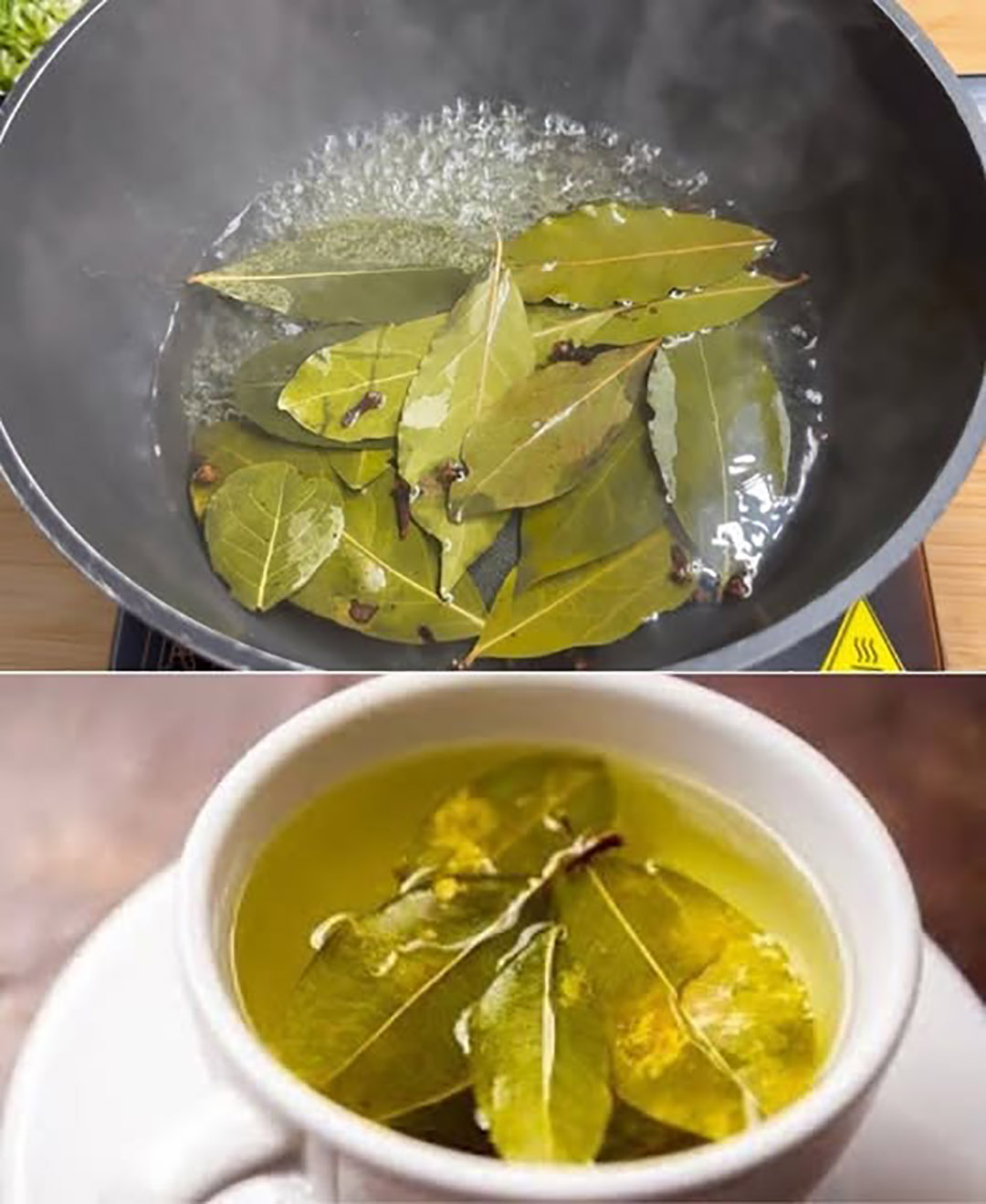
Boil about thirty bay leaves in one liter of water, let it cool, strain it, then use the water as a final rinse after shampooing.
Expected effect: a healthier scalp, stronger hair, and natural shine — without added products.
For Skin
Soak bay leaves in a vegetable oil (such as olive oil or sweet almond oil) for a few days, then strain it. This infused oil can be used to soothe skin irritation or reduce redness.
In Cooking: A Subtle but Essential Flavor
Bay leaves are, of course, a classic ingredient in French cuisine:
- Perfect in soups, broths, stews, and sauces.
- Ideal in a bouquet garni with thyme and parsley to delicately flavor dishes.
Practical tip: fresh leaves have a stronger flavor, but dried leaves keep much longer and remain effective.
Be Careful Not to Confuse Varieties!
Only the leaves of Laurus nobilis, also known as bay laurel or sweet bay, are edible. Other varieties, such as oleander (Nerium oleander) or cherry laurel (Prunus laurocerasus), are toxic and should never be used in cooking or applied to the skin.
Bay Leaves: A Simple Ingredient With Many Uses
Discreet, versatile, and easy to incorporate into daily life, bay leaves deserve a special place in your kitchen, bathroom, or wellness routine. A small ancestral habit, accessible to everyone, for taking care of yourself naturally.
ADVERTISEMENT
