
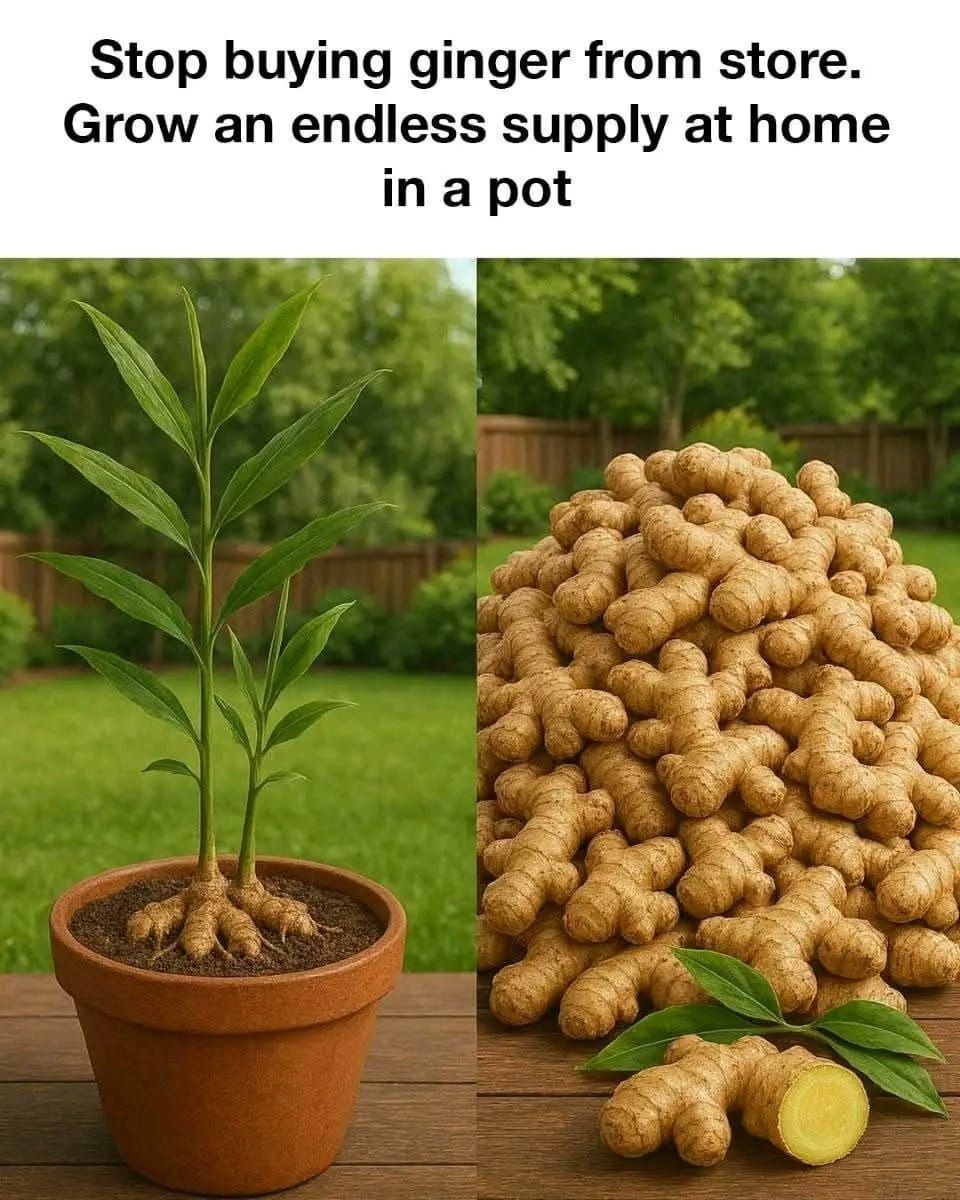
Step-by-Step Guide to Planting Ginger in a Pot
To plant ginger, start by soaking the rhizomes in warm water overnight to encourage sprouting. Fill your pot with the prepared soil mix, leaving about an inch of space from the top. Place the rhizomes horizontally on the soil surface, with any visible buds facing upward. Cover them with 1-2 inches of soil. Water the pot thoroughly and place it in a warm location with indirect sunlight.
Caring for Your Potted Ginger Plant
Ginger requires consistent moisture, so water the plant regularly, ensuring the soil remains damp but not soggy. During the growing season, feed the plant with a balanced liquid fertilizer every few weeks to promote healthy growth. Keep an eye out for pests like aphids or spider mites, and address any infestations promptly. As the plant grows, you may need to stake it to provide support.
Harvesting Your Homegrown Ginger
Ginger can be harvested once the plant is mature, typically 8 to 10 months after planting. Look for signs like yellowing leaves and reduced growth. Carefully dig around the base of the plant to expose the rhizomes. You can harvest the entire plant or just a portion of the rhizomes, allowing the plant to continue growing. Rinse the harvested ginger thoroughly and let it dry before use.
Troubleshooting Common Ginger Growing Problems
Common issues when growing ginger include root rot, which is caused by overwatering, and pest infestations. To prevent root rot, ensure proper drainage and avoid waterlogged soil. For pests, use natural remedies like neem oil or insecticidal soap. If the plant shows signs of nutrient deficiency, such as yellowing leaves, adjust your fertilization routine accordingly.
Tips for Ensuring a Continuous Supply of Ginger
To maintain a steady supply of ginger, practice staggered planting by starting new rhizomes every few months. This way, you can harvest ginger at different times throughout the year. Additionally, save a portion of your harvest to replant, ensuring you always have fresh rhizomes ready to grow.
ADVERTISEMENT
