
Step 2: Choose the Right Cloth (This Is Critical)
Paper towels are convenient, but they often leave lint, smear dirt, and create streaks. Instead, use:
-
Microfiber cloths
-
Soft cotton rags
-
Lint-free fabrics
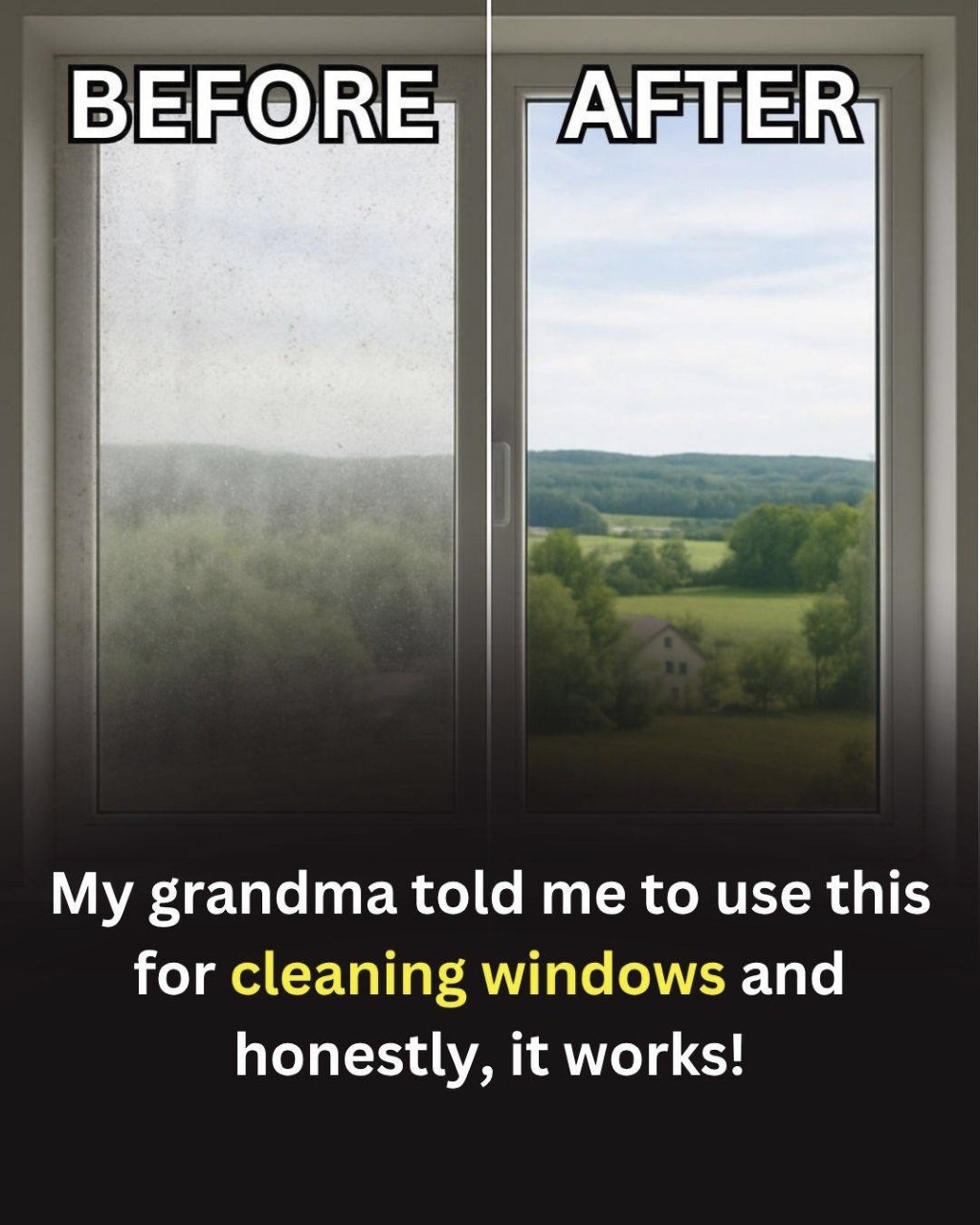
My grandma always said: “The cloth matters more than the spray.” She was right.
Step 3: Wipe in the Right Direction
Instead of random circles, try this:
-
Wipe in one direction (all horizontal or all vertical)
-
Start at the top and work down
-
Slightly overlap each stroke
This prevents uneven drying and missed spots, which cause streaks.
Step 4: The Secret Finishing Trick—Dry Buffing
After cleaning with a damp cloth, grab a second dry cloth and polish the glass.
This does two things:
-
Removes leftover moisture
-
Buffs away microscopic residue that causes haze
The result? Noticeably clearer glass with a smooth, almost invisible finish. Small step, huge difference.
Why This Old-Fashioned Method Works So Well
There’s actual science behind it:
-
No heavy chemical residue – Many store-bought cleaners leave a thin film that catches light. Natural solutions evaporate cleaner.
-
Controlled moisture – Too much liquid dries unevenly. This method uses just enough to loosen dirt.
-
Better materials – Microfiber and cotton trap dirt instead of spreading it around.
-
Mechanical buffing – That final dry wipe removes the microscopic residue your eye sees as haze or streaks.
Bottom Line
You don’t need expensive sprays or viral gadgets. A little vinegar, the right cloth, and a two-step wiping technique can give you sparkling, streak-free windows—just like Grandma’s.
And honestly? It works every time.
ADVERTISEMENT
