
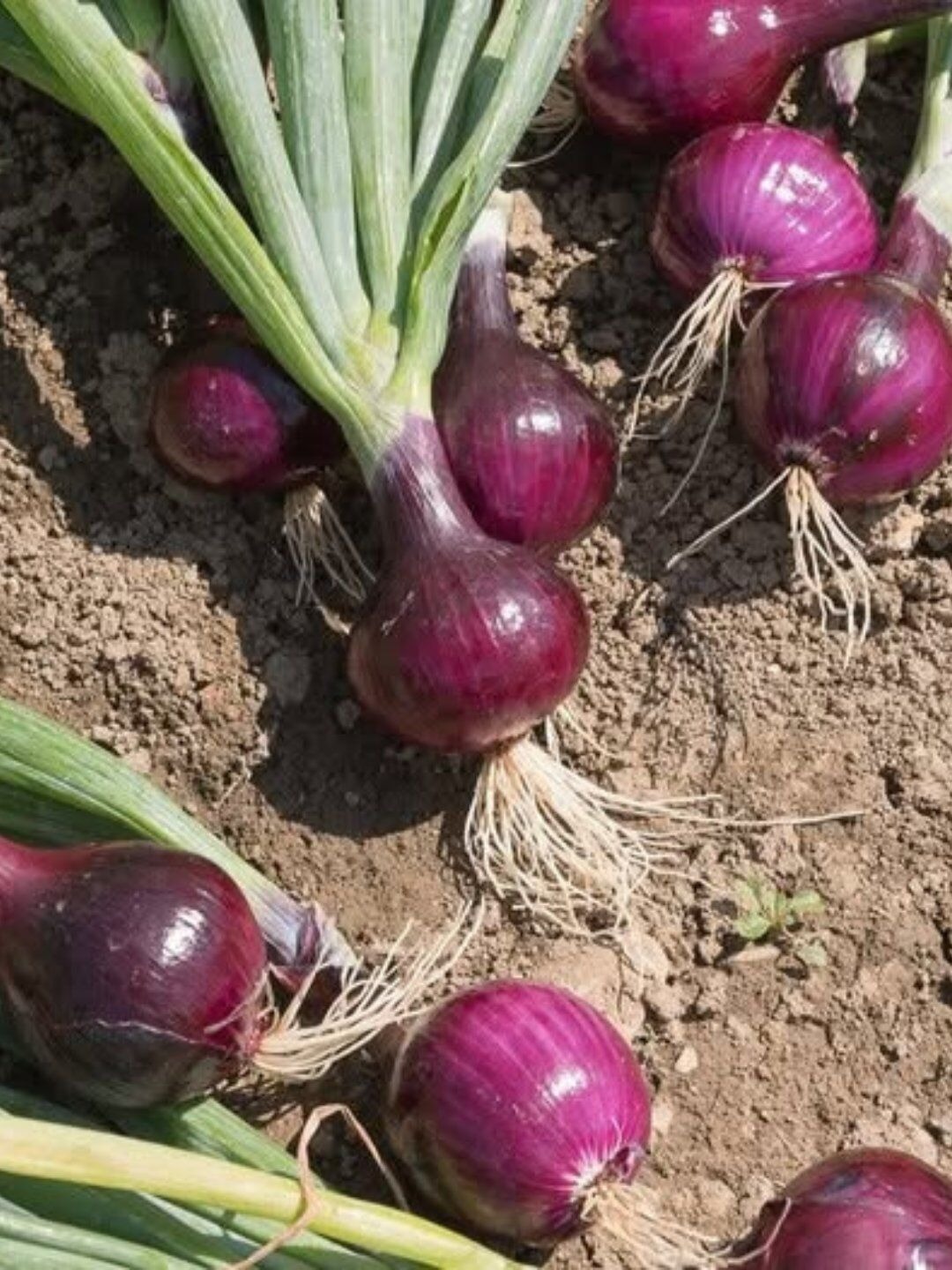
The Surprising Benefits of Daily Onion Consumption
1. Your Heart May Thank You
Multiple studies have linked regular onion consumption with improved cardiovascular health. Onions contain sulfur compounds and quercetin that work together to:
-
Reduce LDL (bad) cholesterol while preserving HDL (good) cholesterol
-
Lower blood pressure by relaxing blood vessels
-
Decrease platelet aggregation, reducing the risk of dangerous clots
-
Lower homocysteine levels, a key risk factor for heart disease
A 2020 meta-analysis published in Critical Reviews in Food Science and Nutrition found that onion and garlic consumption was significantly associated with reduced risk of cardiovascular disease and stroke.
The takeaway: A daily onion isn’t a replacement for medication, but it’s a delicious form of dietary insurance.
2. Your Gut Microbiome Becomes More Resilient
Onions are a rich source of inulin and fructooligosaccharides (FOS) —types of soluble fiber that humans cannot digest but our gut bacteria absolutely love. These are prebiotics, meaning they feed the beneficial bacteria in your large intestine.
When your gut bacteria ferment onion fiber, they produce short-chain fatty acids like butyrate, which:
-
Strengthen the intestinal barrier
-
Reduce inflammation throughout the body
-
Support immune function
-
May even influence mood and mental health
The takeaway: Onions help you cultivate a thriving internal ecosystem.
3. Your Immune System Gets a Gentle, Daily Boost
Onions are packed with immune-supportive compounds. Quercetin, in particular, has been studied for its ability to:
-
Stabilize mast cells and reduce histamine release
-
Support respiratory health during allergy season
-
Enhance antiviral immune responses
Unlike echinacea or zinc lozenges—which you take during illness—onions provide steady, low-level immune support that accumulates over time. They’re the tortoise, not the hare.
The takeaway: Think of onions not as medicine for when you’re sick, but as nourishment that keeps your defenses primed year-round.
4. Your Bones May Become Stronger
This one surprises most people. Onions contain a peptide called GPCS (gamma-glutamyl-propenyl-cysteine sulfoxide) that has been shown in animal studies to inhibit bone breakdown and increase bone density.
A 2009 study of perimenopausal and postmenopausal women found that those who ate onions daily had a 20% lower risk of hip fracture compared to those who never ate onions. The more frequently women consumed onions, the greater the protective effect.
The takeaway: For bone health, onions deserve a place alongside calcium and vitamin D.
5. Your Cancer Risk May Decrease
The evidence here is observational but compelling. Numerous population studies have found that people who eat higher amounts of allium vegetables (onions, garlic, leeks, scallions) have lower rates of certain cancers, particularly:
-
Colorectal cancer
-
Gastric cancer
-
Esophageal cancer
-
Prostate cancer
The sulfur compounds in onions are thought to:
-
Inhibit DNA damage from carcinogens
-
Induce apoptosis (programmed cell death) in cancer cells
-
Reduce angiogenesis (blood vessel formation that feeds tumors)
The takeaway: While no single food can prevent cancer, onions are a meaningful part of a protective dietary pattern.
The Other Side of the Onion: When to Exercise Caution
see continuation on next page
ADVERTISEMENT
