
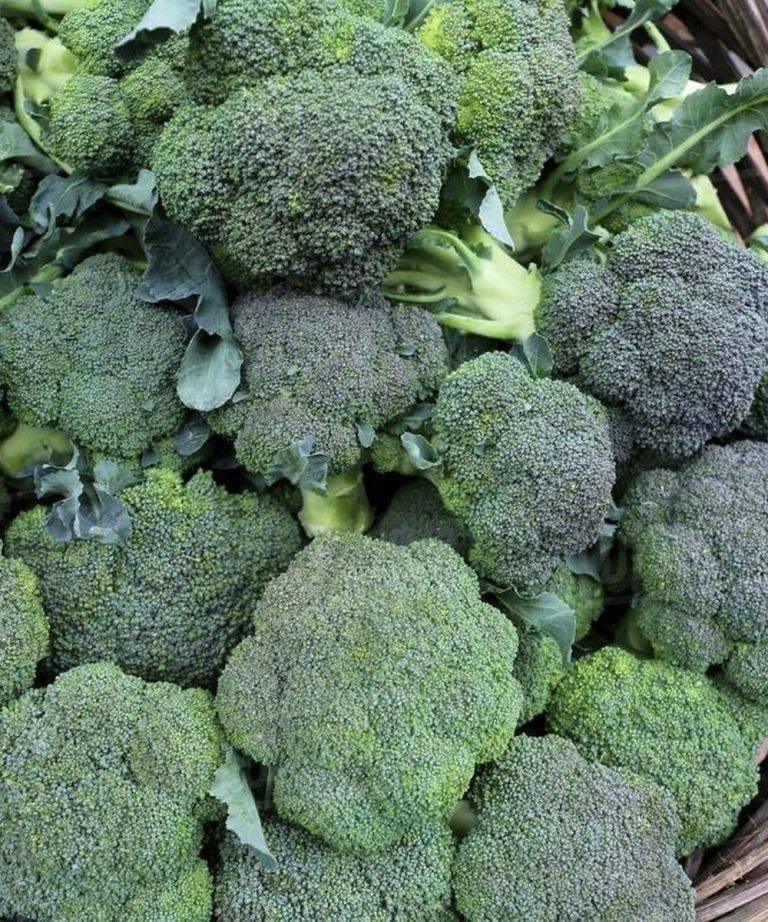
Cauliflower and broccoli share a surprising amount of common ground. Both belong to the cruciferous vegetable family and come from the Brassica oleracea species. They also trace their origins to the Mediterranean region of Europe. And chances are, as a kid, you weren’t exactly eager to eat either one—unless they were smothered in cheddar cheese sauce!
One thing is certain: both vegetables are nutrient-dense and great for your health. You can turn cauliflower into a veggie burger or make good use of nutrient-rich broccoli stems. But with so many similarities, it raises an interesting question: which Brassica vegetable is actually better for you?
To find out, let’s take a look at their nutrition profiles and health perks to see who comes out on top in the cauliflower-vs-broccoli showdown.
Nutrition Facts: Cauliflower vs Broccoli
You are advised to be eating at least five cups a week of cruciferous vegetables, especially including broccoli and cauliflower. Why should you eat these specific veggies? Well, the similarities between broccoli and cauliflower continue into their nutrient content.
Vitamins
Broccoli and cauliflower both contain vitamins A, C, and K; however, broccoli offers greater nutrient content in all three vitamins. Vitamins A and C are both essential for immune support.
A cup of broccoli contains 2,280.7 IU (international units) of vitamin A, which provides 46.6% of your recommended daily intake. It also contains 123.4 mg (milligrams) of vitamin C, or an incredible 205.7% of your recommended daily intake! Cauliflower only contains 54.9 mg of vitamin C and 21.08 IU of vitamin A.
What about vitamin K? Broccoli also outperforms cauliflower in this category. Broccoli contains 155.2 mcg (micrograms) of vitamin K compared to 11.2 mcg in cauliflower. The green cruciferous veggie also contains greater amounts of vitamin E and the B vitamins folate (B9), pyridoxine (B6), pantothenic acid (B5), niacin (B3), and riboflavin (B2).
Protein
Protein is crucial for every cell in your body. The macronutrient is considered essential for building and strengthening muscles, bones, skin, cartilage, and blood. Protein is also necessary for strong immunity and healthy brain function.
It is crucial to remember that not all protein sources are the same. For example, your daily protein bar may be loaded with protein, but it is also filled with sugar and food additives. Cruciferous vegetables like cauliflower and broccoli help contribute to your daily protein intake, but broccoli packs bigger muscle in the protein category as well. A cup of cooked broccoli (156 grams) contains 4.7 g of protein, while cauliflower contains 2.3 g of protein per cup (124 g).
Calories
Are you concerned about your calorie intake? The good news is that broccoli and cauliflower are both extremely low in calories; however, cauliflower has a slight edge in this category. A cooked cup of broccoli contains 44 calories, whereas cooked cauliflower contains only 29 calories per cup, which is good news for your waistline.
Also, broccoli and cauliflower benefit any weight loss plan with about 0.55 g of total fat per cup. Overall, both veggies should help you lose weight.
Minerals
Apart from vitamins, the powerhouse cruciferous vegetables are also packed with the other important micronutrients—minerals. Both vegetables are high in calcium, iron, and magnesium.
Calcium is crucial for the maintenance and development of teeth and bones, and iron helps with your body’s energy production. Magnesium prevents calcium deposits and also acts as a muscle relaxant.
A cup of cooked broccoli is considered a better dietary source of all three minerals. Broccoli contains 74.7 mg of calcium, and cauliflower only has about 19.8 mg; broccoli has 1.4 mg of iron. Meanwhile, cauliflower provides 0.41 mg; and broccoli is a very good source of magnesium with 39.0 mg—about 10% of your daily value—while cauliflower only has 11.2 mg of magnesium.
Broccoli is also a better source of manganese, potassium, phosphorus, and zinc.
Nutritional Values of Cauliflower vs broccoli
How does the nutrition value compare per cooked cup of cauliflower vs broccoli?
Health Benefits of Broccoli
It is clear that broccoli is a nutritional superfood, and scientific evidence supports its wide range of health benefits. For instance, broccoli has widely been regarded for containing anti-cancer compounds.
Contains Anti-Cancer Compounds
Broccoli contains the sulfur-containing compound sinigrin, which helps release special phytonutrients, like isothiocyanates, that detoxify cancer-causing carcinogens.
The vegetable also contains other anit-cancer properties. In particular, indole-3-carbinol, found in broccoli, helps deactivate the tumor promoter 4-hydroxyestrone, especially in breast cells. The phytonutrient glucoraphanin in broccoli is also known to convert to sulforaphane in your body; sulforaphane is helpful for liver detoxification, which quickly removes any potential carcinogens.
Heart Health
Broccoli also contains plenty of heart-healthy benefits. Broccoli’s sulforaphane also contains anti-inflammatory properties, which can help prevent and reverse blood vessel damage from inflammatory chronic blood sugar issues. Broccoli is loaded with other heart-healthy nutrients, such as omega-3 fatty acids, magnesium, potassium, folate, fiber, and vitamins B3, B6, and E. The soluble fiber in broccoli even helps reduce cholesterol levels in your body.
Eradication of Harmful H. Pylori Bacteria
What are broccoli’s other health benefits? The sulforaphane in broccoli and broccoli sprouts may help eradicate the bacterium Helicobacter pylori (H. pylori), which is responsible for many stomach ulcers and stomach cancer risk. In a study published in the journal Antimicrobial Agents and Chemotherapy in 2003, researchers found that sulforaphane eliminated H. pylori in eight of 11 infected mice. In another study published in the journal Cancer Prevention Research in 2009, researchers observed 48 H. pylori-infected patients for a two-month period. They were assigned randomly to eat 70 g daily of the sulforaphane-heavy broccoli sprouts or a placebo (alfalfa sprouts, which do not contain sulforaphane). The broccoli sprouts decreased biomarkers of H. pylori colonization, including H. pylori stool antigen and levels of urease. The broccoli sprouts also reduced biomarkers of stomach damage, including serum pepsinogens I and II.
Eye Health
Broccoli is also thought to benefit people with vision problems, such as cataracts. Broccoli contains two powerful antioxidants, lutein and zeaxanthin, which are from the carotenoid family. The sulforaphane in broccoli also may contain antioxidant properties, which helps protect the eye from potentially damaging free radicals.
Other Health Benefits
Broccoli is also important for bone health, osteoporosis prevention, and weight control. The alkalinizing vegetable also helps reduce acidity within your body.
What Are the Best Ways to Eat Broccoli?
You can eat it raw, but if you plan to cook broccoli, it is best to steam it lightly. Broccoli doesn’t taste good when overcooked. (Keep reading to find out some other tasty ways to enjoy this cruciferous vegetable.)
Health Benefits of Cauliflower
see continuation on next page
ADVERTISEMENT
